

Gifting has never been easier
Perfect if you're short on time or are unable to deliver your gift yourself. Enter your message and select when to send it.



BENEATH THE BRIM WITH
Outback With Ash
Ash Zadow, Sheep & Cattle Farmer
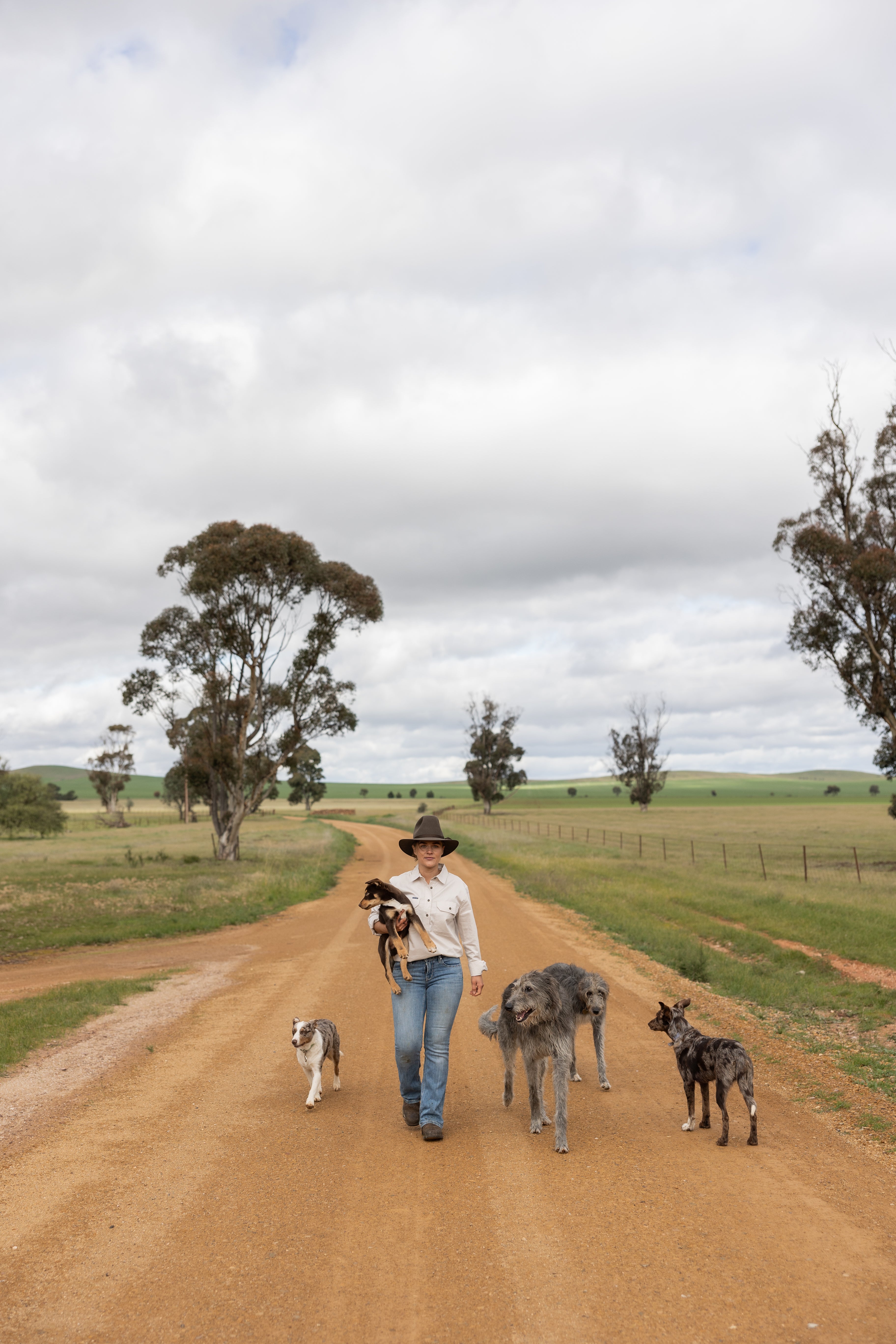
Based on a sheep and cattle station in South Australia, Ash has built a following by sharing the realities of life on the land. Through Outback with Ash, she offers an authentic window into rural Australia, documenting everything from station work and livestock management to the beauty and challenges of the Australian outback, with her much-loved working dogs often stealing the spotlight.
We sat down with Ash to talk about her connection to the bush, life outdoors, and what continues to draw her back to the wide open spaces she calls home.

Life On The Station
WHAT DOES A TYPICAL DAY ON YOUR SHEEP AND CATTLE STATION IN SOUTH AUSTRALIA'S NORTH EAST PASTORAL DISTRICT LOOK LIKE?
Our days almost always start before the sun is up, but no two days are ever the same, and that's the beauty of it.
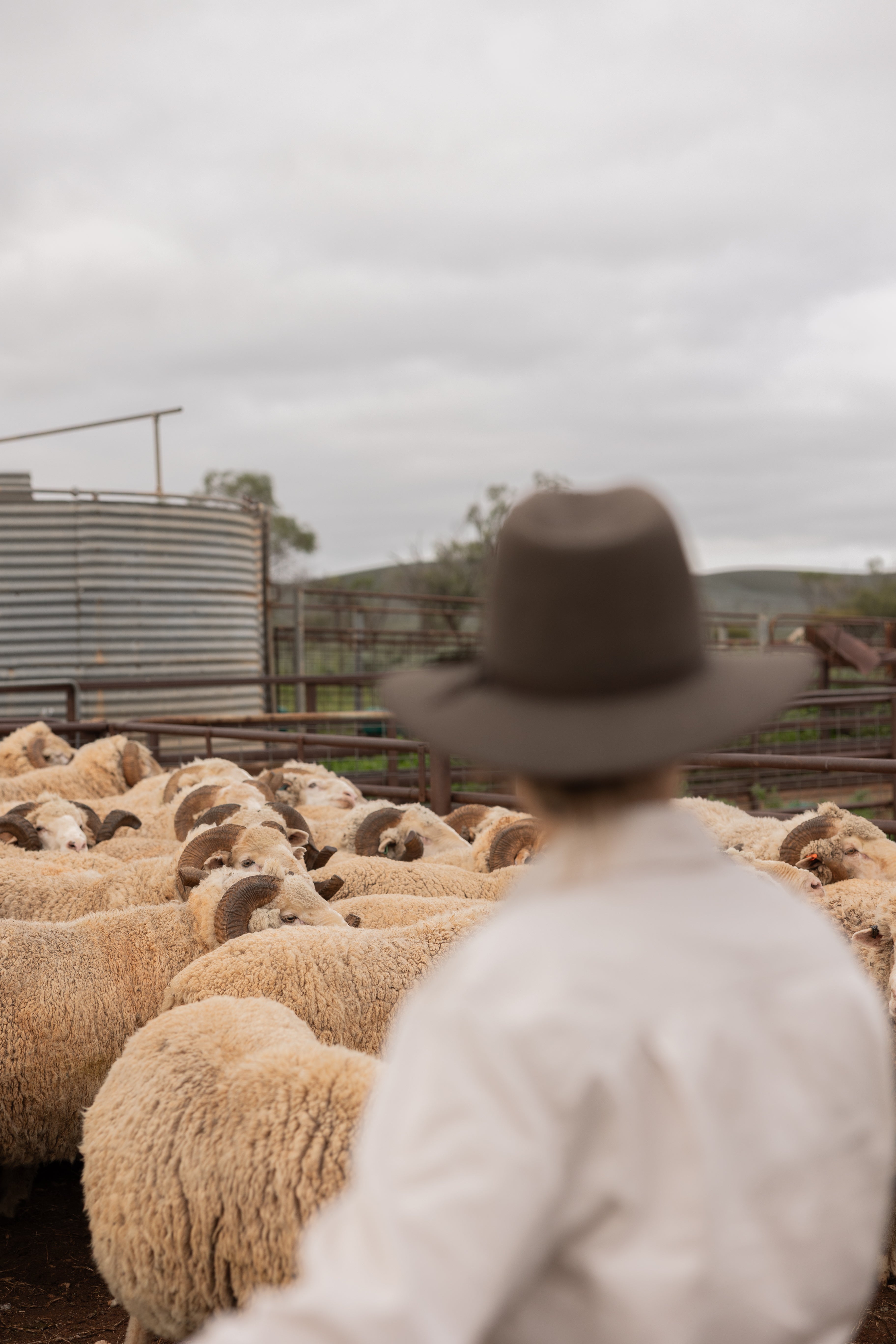
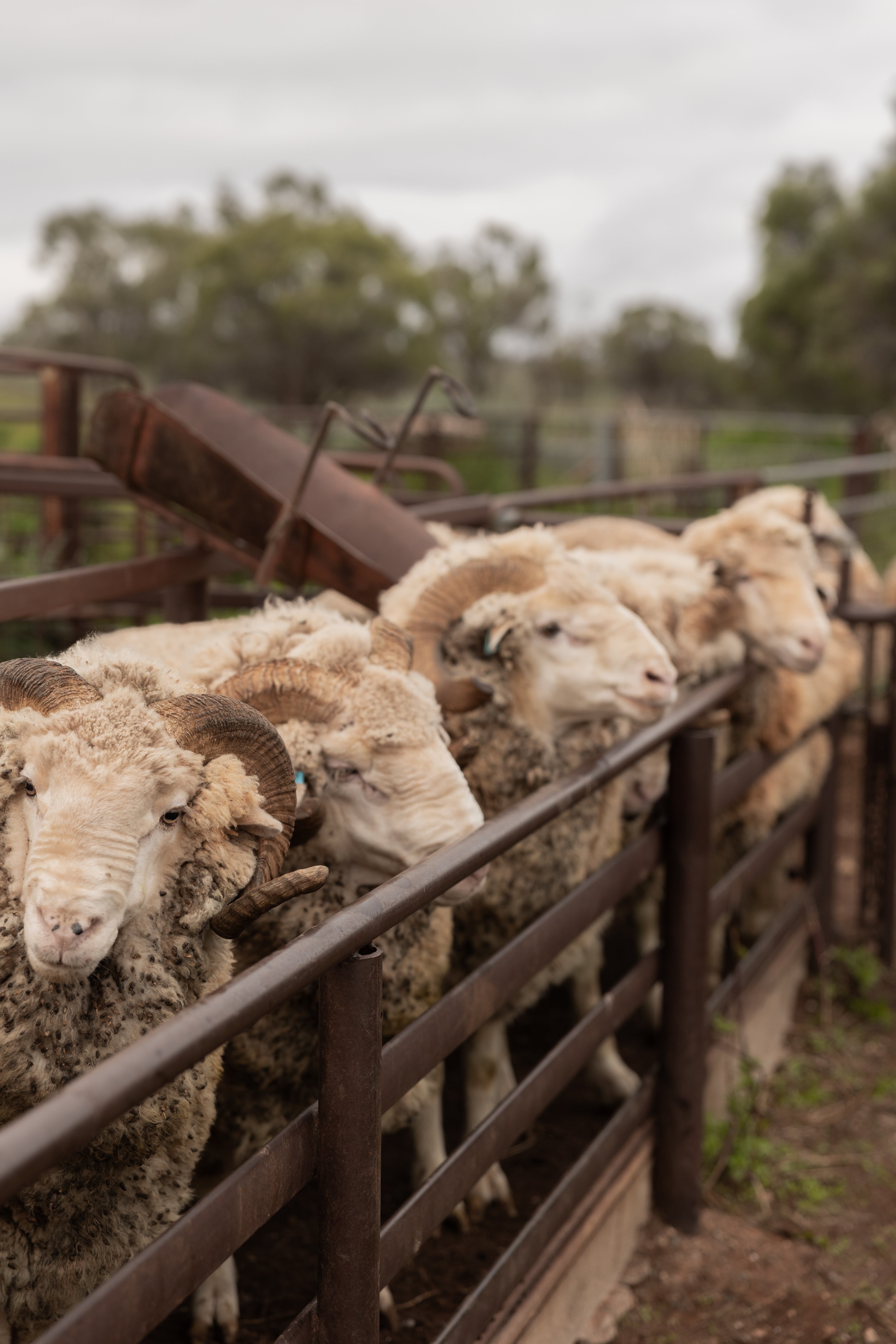
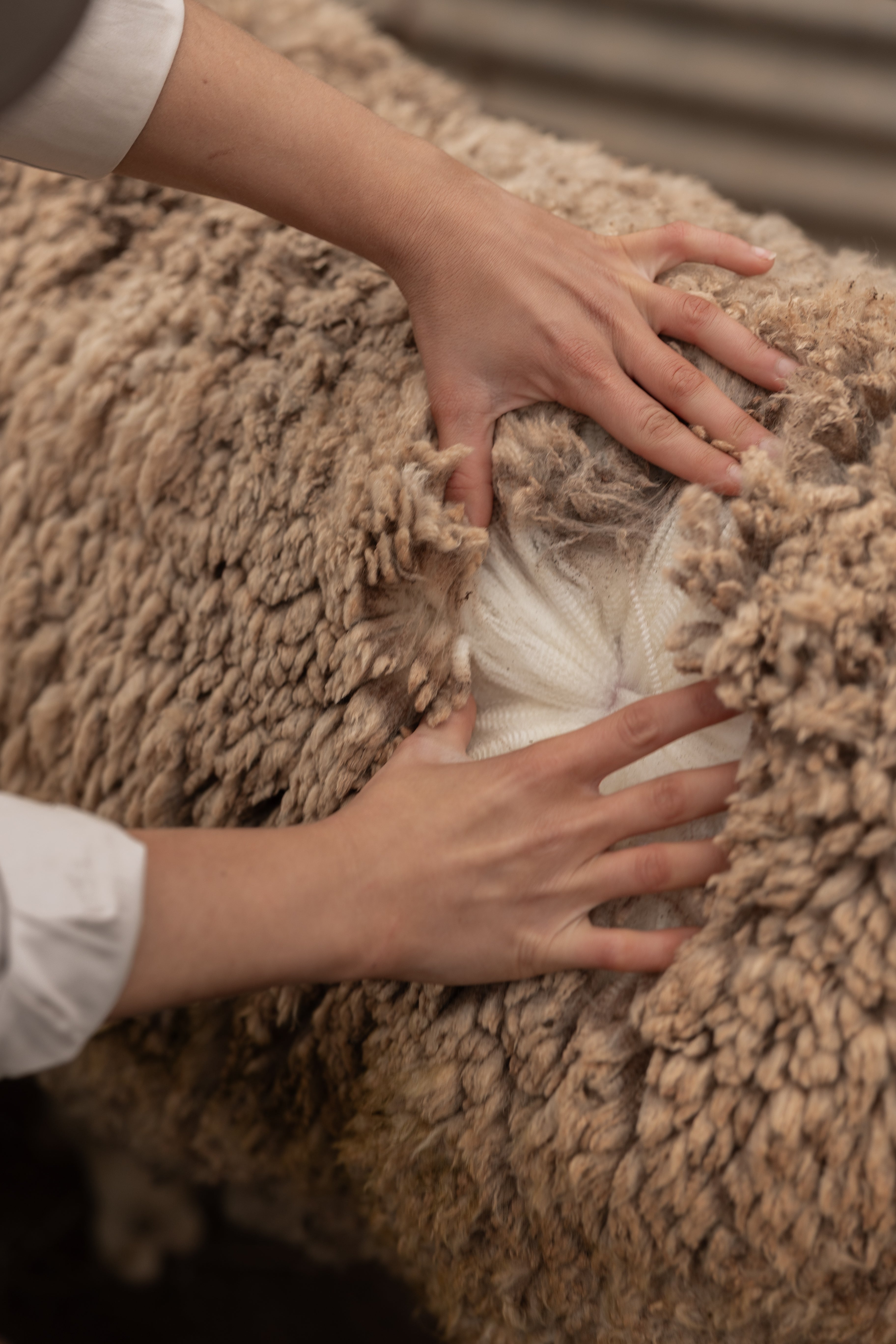
One day we might be lamb tailing or processing weaner cattle, and the next we might be mustering feral goats or fixing floodgates. We try to do as much as we can ourselves with very few contractors, so we quite literally do everything - from fencing and water runs to crutching and shearing, and cooking for the team.
Whatever the job, you'll almost always find me documenting it along the way. Once the day is done, I'll often be up editing well into the night.
WHAT'S THE BIGGEST LESSON LIFE ON A REMOTE STATION HAS TAUGHT YOU?
That you need to be resilient. You quickly learn that things don't always go to plan, and there's no one coming to solve the problem for you. You learn to work with what you have and figure it out yourself.
I grew up in the country, but pastoral life and being this remote were completely new to me when I met my partner Sam, a fifth-generation pastoralist. Every day has been a learning experience, and it's taught me that you're capable of way more than you think.

Sharing Her Story
WHAT DO YOU LOVE MOST ABOUT LIVING AND WORKING IN RURAL AUSTRALIA?
I love how secluded we are and the freedom and space that brings. I love being surrounded by nature and the peace and quiet that comes with it. There's something incredibly grounding about waking up every day and spending my days working outdoors.
I had never had a sheepdog before moving here, but working with my Koolie, Nellie, is one of the most fulfilling and heartwarming things I have experienced. I couldn't do this without her.
Sharing life on the station through Outback with Ash has also given me the opportunity to show people a side of rural Australia they might never otherwise experience, and I think that is pretty special.

A Legacy Continued
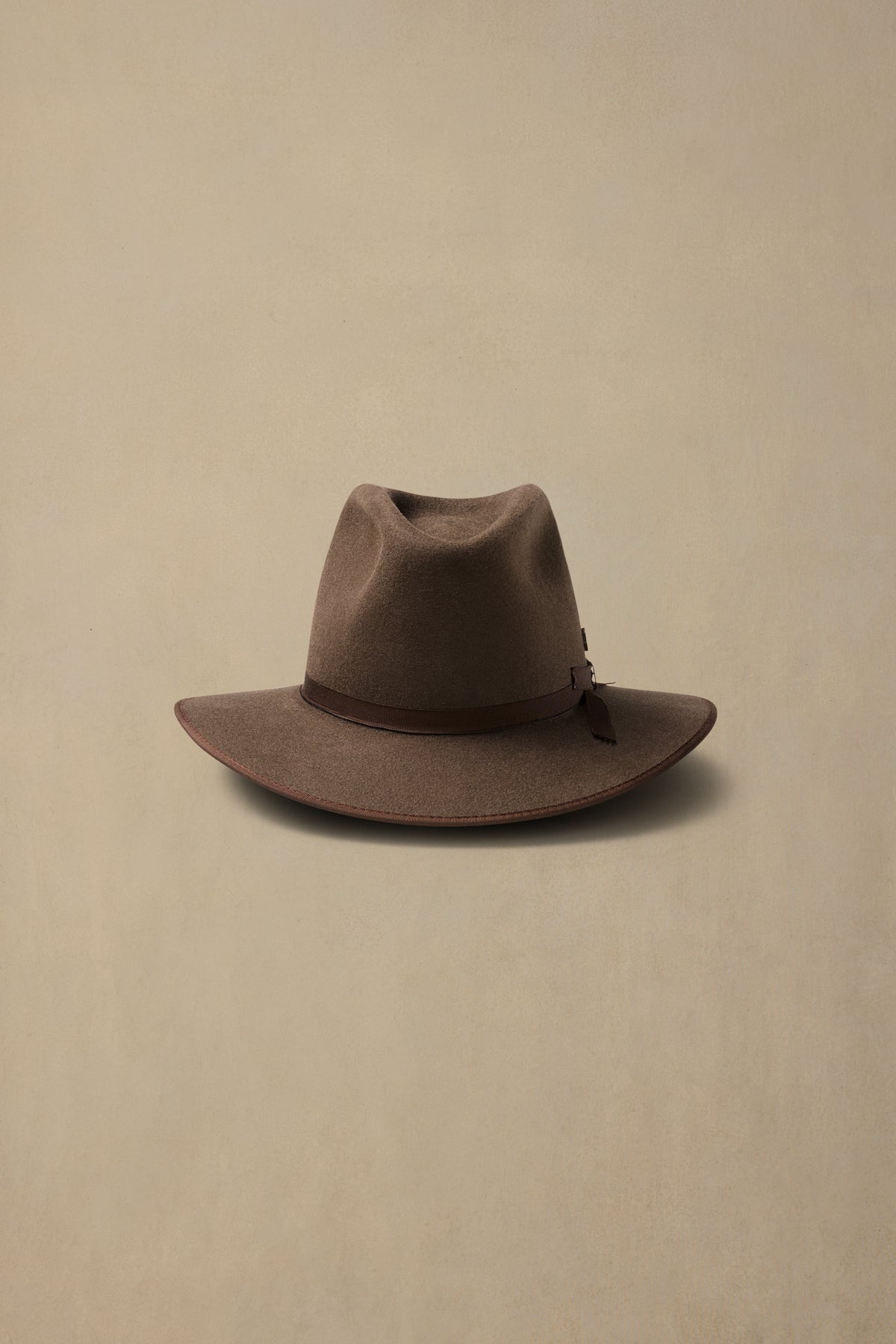
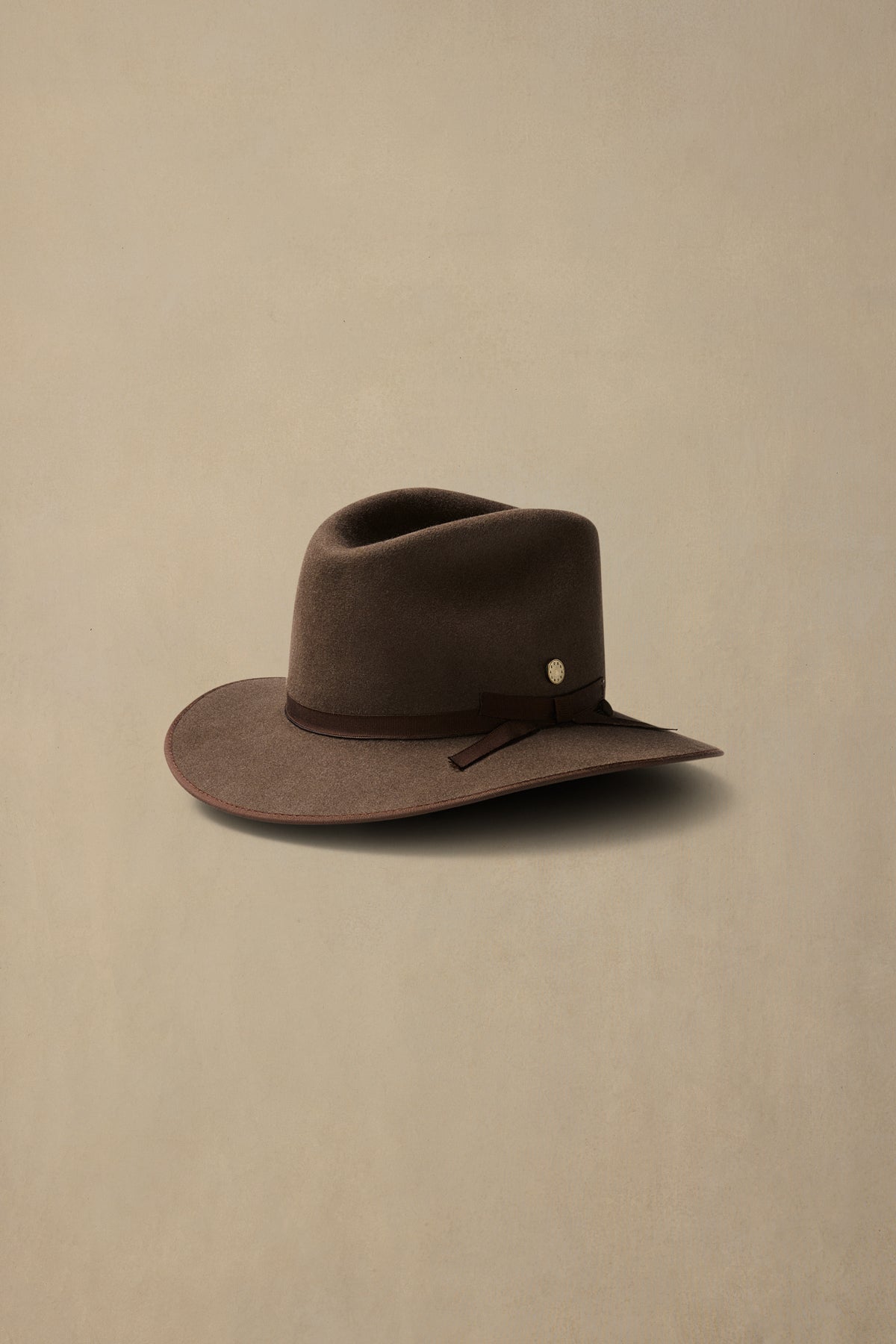
YOU'RE WEARING THE R.M. HAT FROM AKUBRA'S HERITAGE COLLECTION, CELEBRATING 150 YEARS OF HANDCRAFTED HATS. WITH REGINALD MURRAY WILLIAMS' STORY BEGINNING NOT FAR FROM WHERE YOU LIVE, WHAT DOES THAT CONNECTION MEAN TO YOU?
We have property just around the corner from where he grew up in the Mid North, so it feels incredibly close to home. Growing up in regional South Australia, R.M. Williams has always been part of the fabric of country life.
His story represents resilience, hard work and building something lasting from the Australian bush. Those are values I see every day out here, so wearing the R.M. hat feels like I am carrying a small piece of that history.
WHAT DOES WEARING AN AKUBRA MEAN TO YOU, AND WHY DO YOU THINK IT'S BECOME SUCH AN ICON OF THE AUSTRALIAN BUSH?
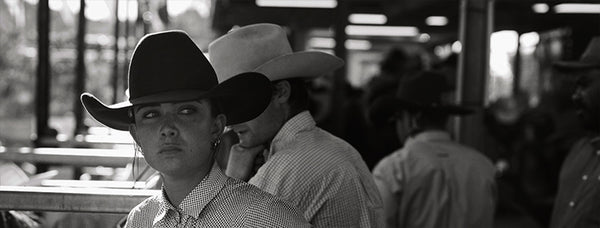
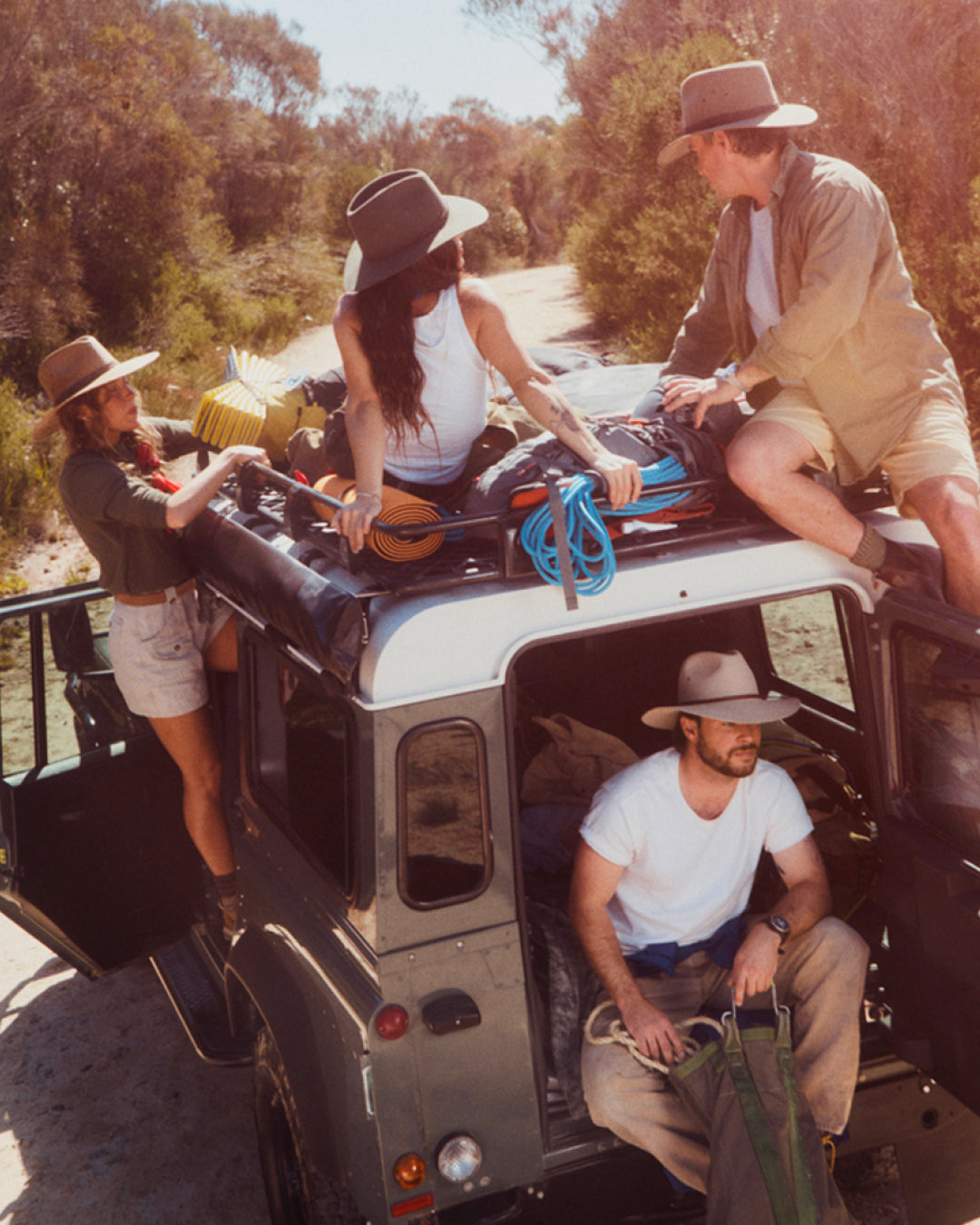
To me, an Akubra represents life in rural Australia. It's one of those brands that's been worn by generations before us, and it carries the stories, traditions and resilience of the people who've lived and worked in the bush. I think it's a bit like a Toyota LandCruiser - they're just as much a part of the uniform as each other. Both have earned their place through decades of reliability. They're built for the conditions, and you know they'll do the job time and time again.
An Akubra has become part of rural Australia not because it's trendy or flashy, but because people trust it to do exactly what it was made to do.

Built For The Bush
WHY DO YOU THINK AKUBRA HAS REMAINED SUCH AN ENDURING PART OF RURAL AUSTRALIAN LIFE?
Akubra embodies everything that rural people value most. It's never been about following trends. It's about quality, craftsmanship and making something that lasts.
Out here, people value things that earn their place through years of use, and Akubra has done exactly that for 150 years while continuing to be made in Australia.
SHOP