

Gifting has never been easier
Perfect if you're short on time or are unable to deliver your gift yourself. Enter your message and select when to send it.



BENEATH THE BRIM WITH
Dirk Willem Fourie
VINTAGE STYLE CURATOR
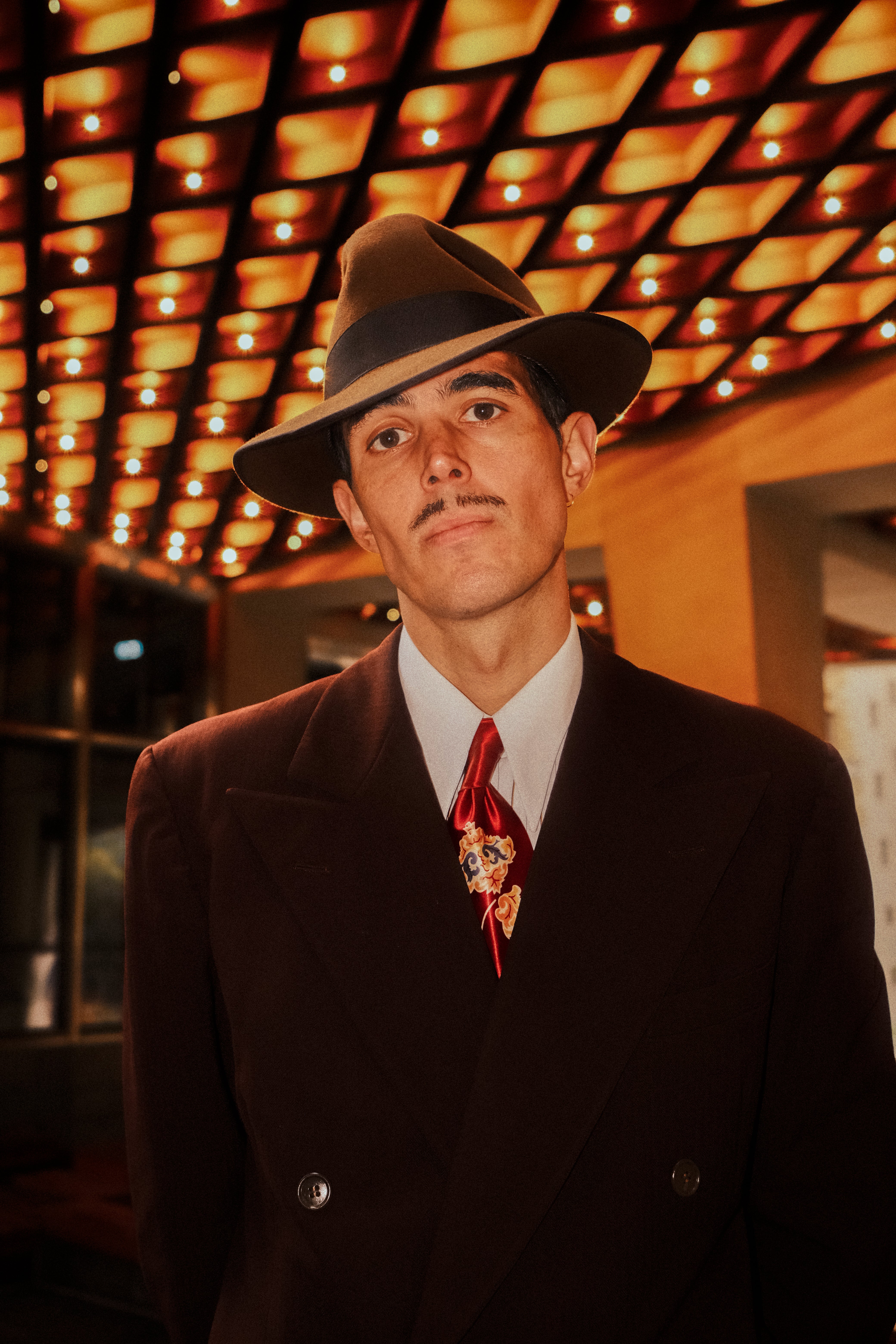
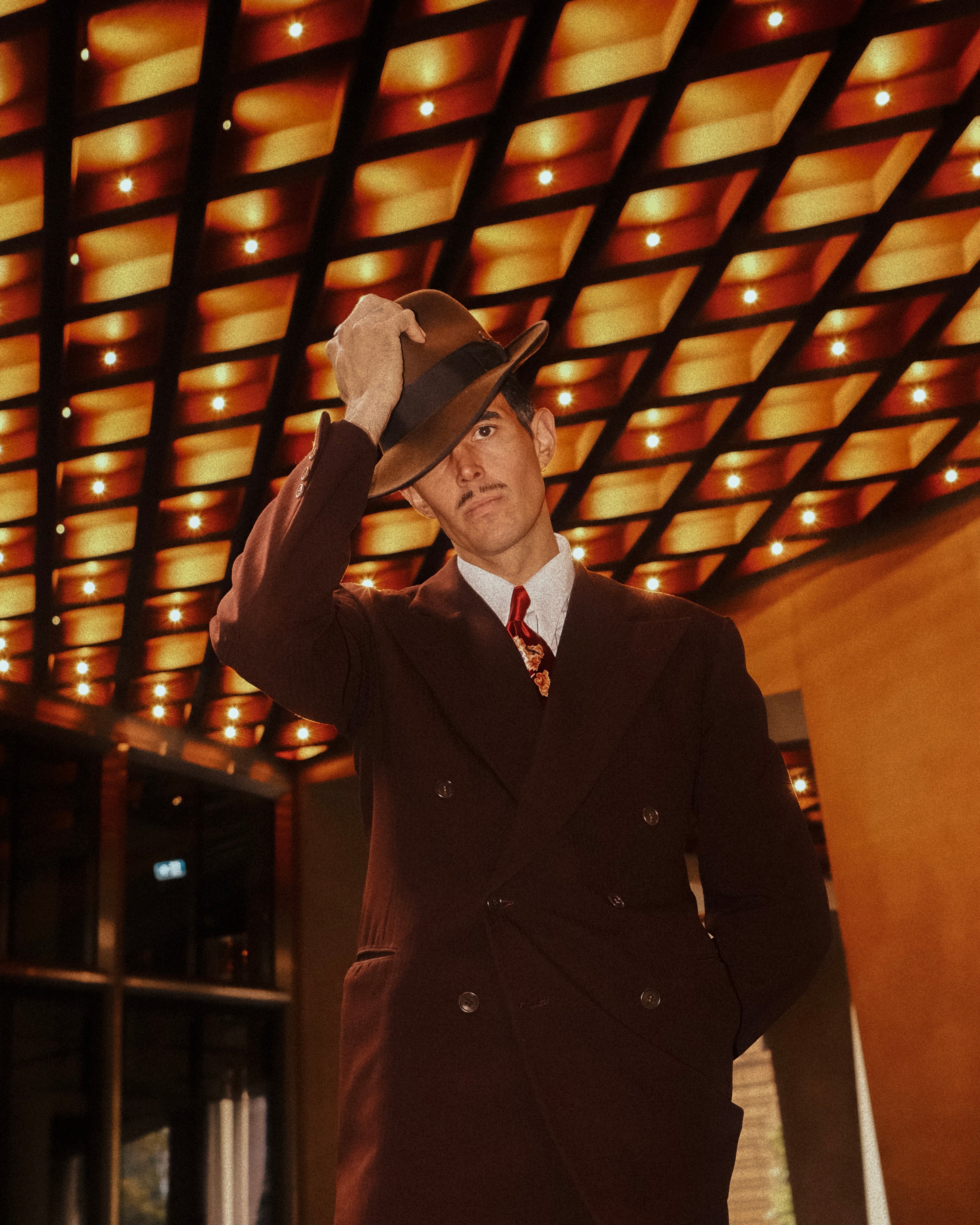
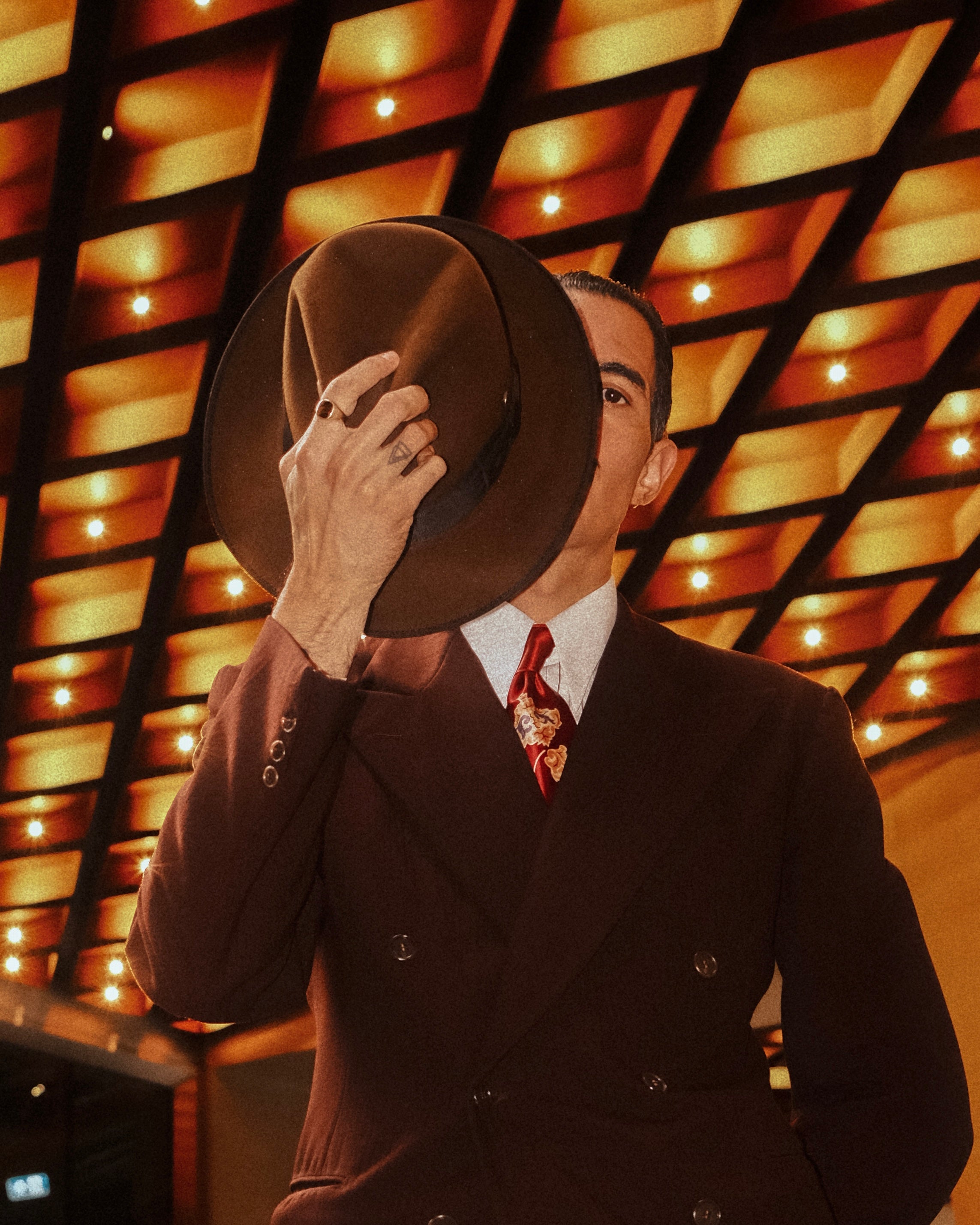
In an era dominated by fast fashion and fleeting trends, vintage menswear is making a powerful return. Few people embody this resurgence better than Dirk Willem Fourie, better known to his growing audience as Dirk The Crook. Through his dedication to authentic 1940s and 1950s men's fashion, Dirk has built a loyal following across social media, inspiring a new generation to embrace classic tailoring, heritage style and the timeless appeal of the Fedora hat.
From broad-shouldered suits and high-waisted trousers to expertly styled Akubra Fedoras, his approach proves that vintage fashion isn't about dressing in costume, it's about bringing enduring style into the modern world.
Bringing Vintage Fashion Back
As one of the most recognisable advocates for vintage menswear today, Dirk The Crook has made a name for himself through his commitment to classic tailoring, heritage style and the timeless appeal of the Fedora. Drawing inspiration from the golden era of men's fashion, Dirk blends 1940s and 1950s style with contemporary dressing, proving that quality craftsmanship and thoughtful styling remain as relevant as ever.
We asked Dirk for his thoughts on vintage fashion, Fedora hats and the enduring influence of classic menswear.
WHAT FIRST DREW YOU TO 1940s & 1950s FASHION, AND WHAT CONTINUES TO INSPIRE YOUR PERSONAL STYLE TODAY?
I was originally inspired by the book Crooks Like Us (a book of mugshots from Sydney in the 1920s). That book got me obsessed with old suits, and from there I started collecting them. I also fell in love with the old Hollywood look of actors like Gary Cooper, Clark Gable and Cary Grant.
FOR THOSE NEW TO VINTAGE MENSWEAR, WHAT DO YOU THINK DEFINES AUTHENTIC 1940s & 1950s MEN'S FASHION?
In suiting, we saw broad shoulders, wide lapels, a roomy chest, often double-breasted, and trousers that were high-waisted with wide-cut legs and cuffs at the bottom. Fabrics were a lot heavier, and patterns included pinstripes, herringbone, checks and sometimes even tweed.
MANY PEOPLE ASSUME VINTAGE FASHION IS ONLY FOR SPECIAL OCCASIONS. HOW DO YOU INCORPORATE 1940s & 1950s STYLE INTO MODERN EVERYDAY DRESSING?
The styles of those eras are classic, but I 100% believe there is space for them in the modern day. I would actually argue that the suiting of those eras is far better aligned with today's lifestyle than the modern suit, which is often super tight and uncomfortable to wear.
The roomier suit cuts from the 1940s and 1950s strike a beautiful balance between fine tailoring and a relaxed lifestyle. I wear my suits to my corporate job every single day—I wouldn't have it any other way.
WHICH KEY MENSWEAR PIECES FROM THE 1940s & 1950s DO YOU THINK EVERY MAN SHOULD CONSIDER OWNING?
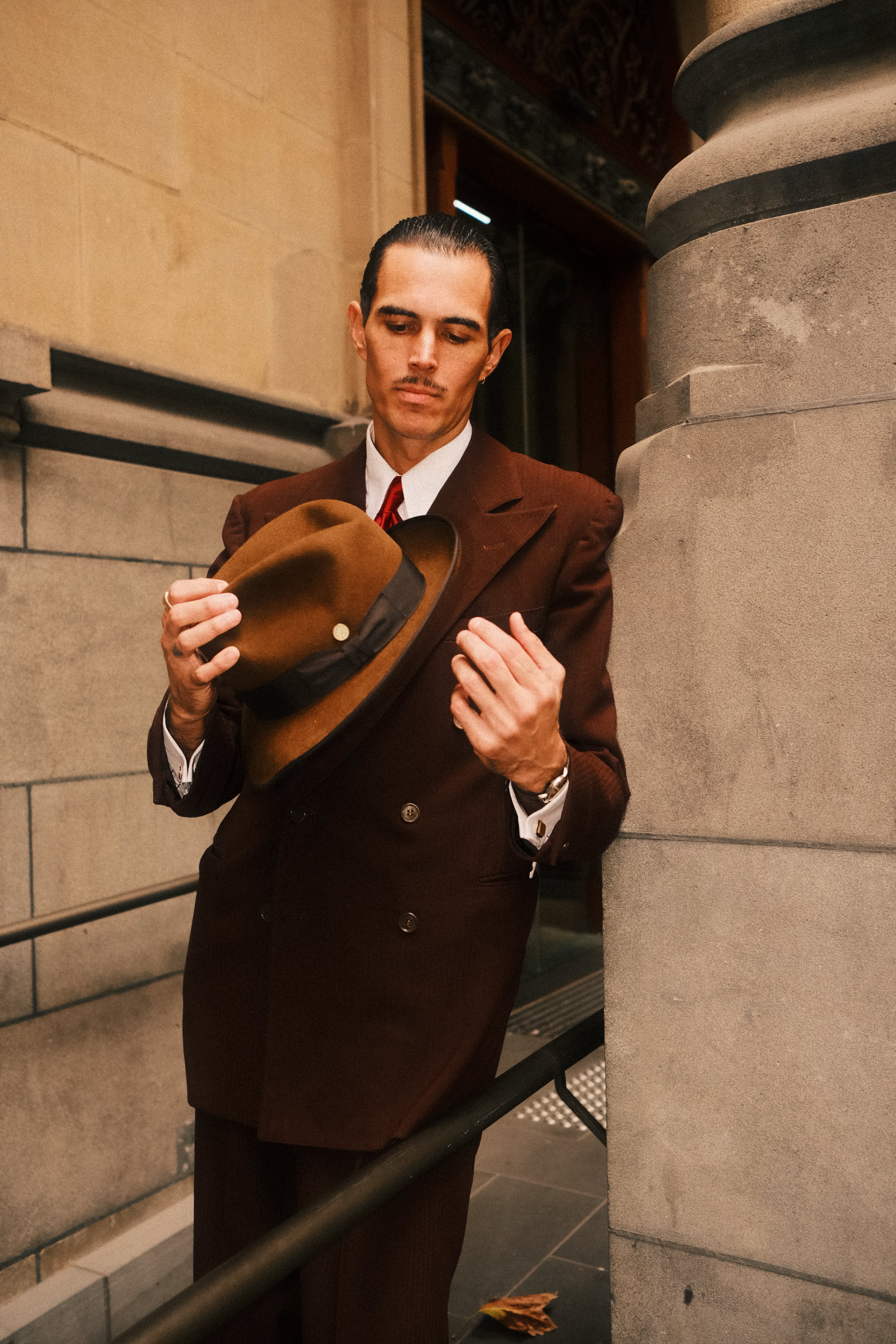
I would suggest a double-breasted jacket, a pair of high-waisted trousers, a crisp white shirt with a bold tie and, of course, a Fedora to finish off the look.
The Enduring Appeal Of The Fedora
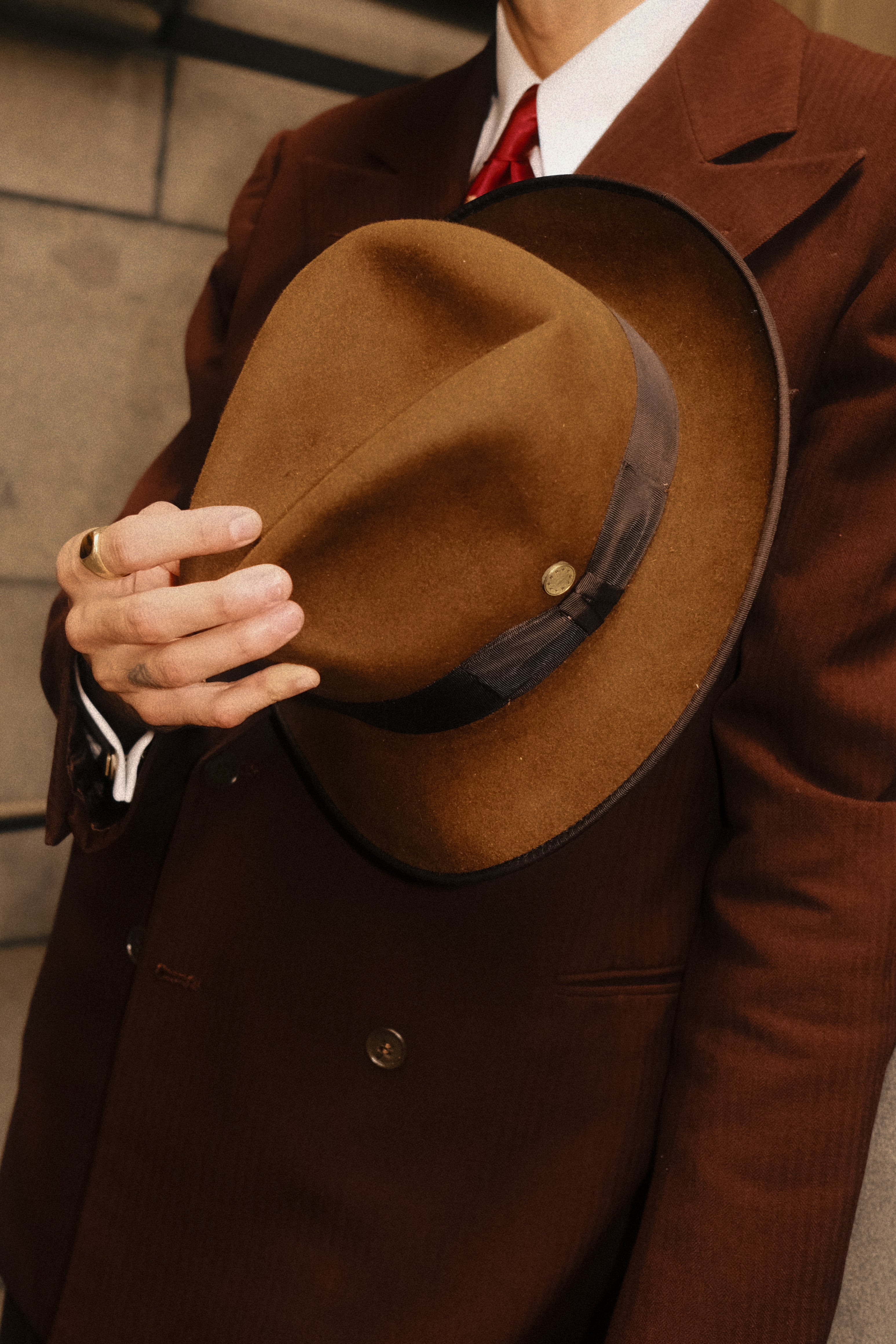
The Fedora has long been regarded as one of the most iconic hats in men's fashion. Defined by its distinctive silhouette, timeless versatility and rich heritage, it has remained a staple of classic menswear for generations. From 1940s tailoring to modern urban style, the Fedora continues to bridge tradition and contemporary dressing, proving that great design and craftsmanship never go out of fashion. We asked Dirk for his thoughts on what makes the Fedora such an enduring style icon.
THE FEDORA IS ONE OF THE MOST ICONIC HATS IN FASHION HISTORY. WHAT MAKES THE FEDORA SUCH AN ENDURING STYLE STATEMENT?
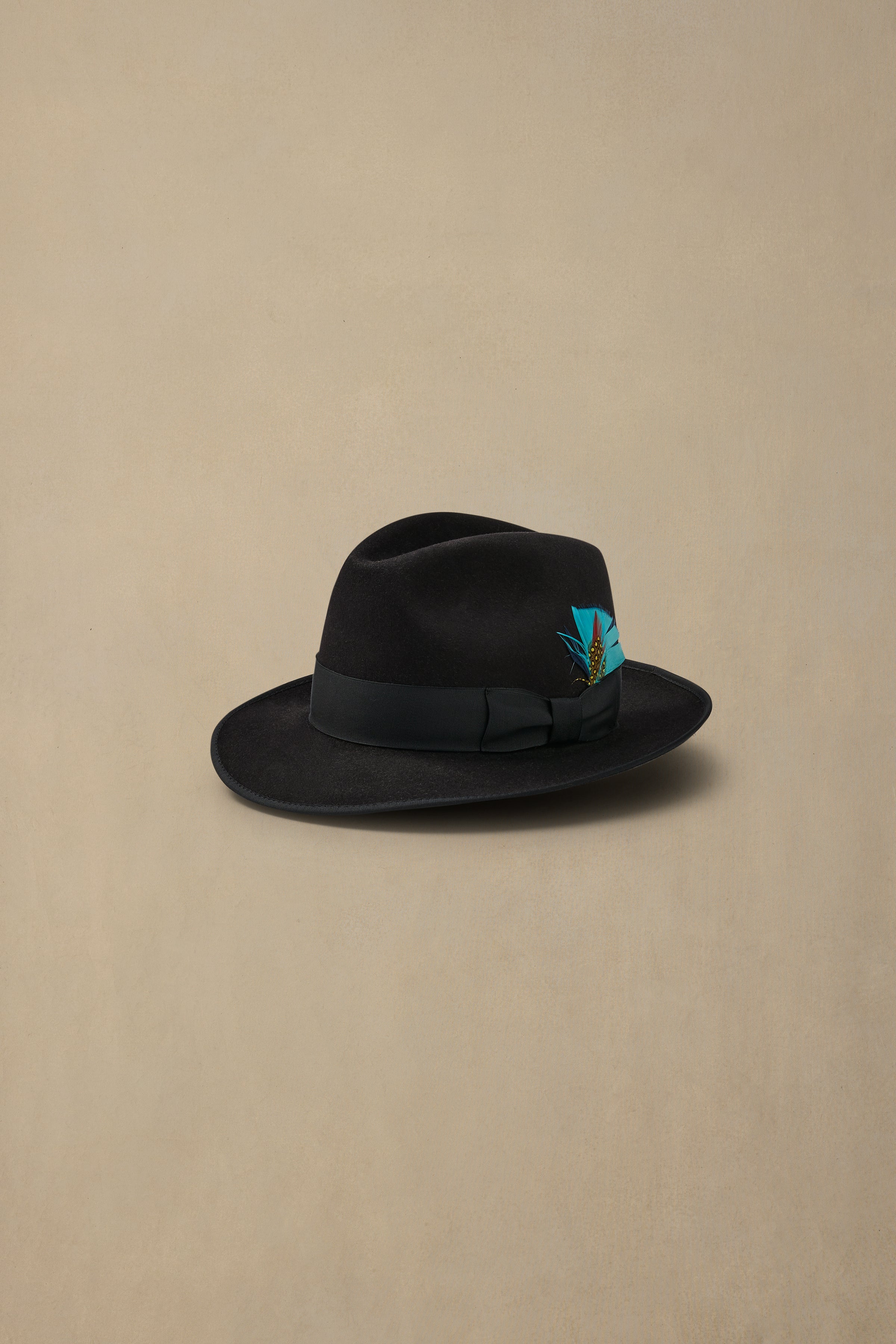
The Fedora offers the perfect balance. The crown and brim dimensions work great for most face shapes, making it flattering to wear. An added bonus is that it also has the functionality of protecting you from the sun and helping keep your head and body warm.
HOW DOES A FEDORA HELP COMPLETE A CLASSIC VINTAGE OUTFIT, AND WHAT ROLE DOES IT PLAY IN YOUR EVERYDAY WARDROBE?
A Fedora is the cherry on top, quite literally. Beyond its practical benefits, it elevates an outfit into something timeless, classic and effortlessly refined.
I've reached the point where I feel incomplete without a hat. For me, going out bareheaded feels almost the same as leaving the house without shoes—it's become an essential part of how I dress.
WHAT ARE SOME COMMON MISCONCEPTIONS PEOPLE HAVE ABOUT WEARING A FEDORA OR EMBRACING VINTAGE STYLE?
Most people aren't used to wearing hats anymore, so when they walk into a shop and put one on, it can feel unfamiliar. That's often the biggest barrier.
Like anything new, the more you engage with it, the more natural it becomes. Just because something feels different at first doesn't mean it's wrong—it simply means you're not used to it yet. A good hat isn't just something you wear; it's something you grow into.
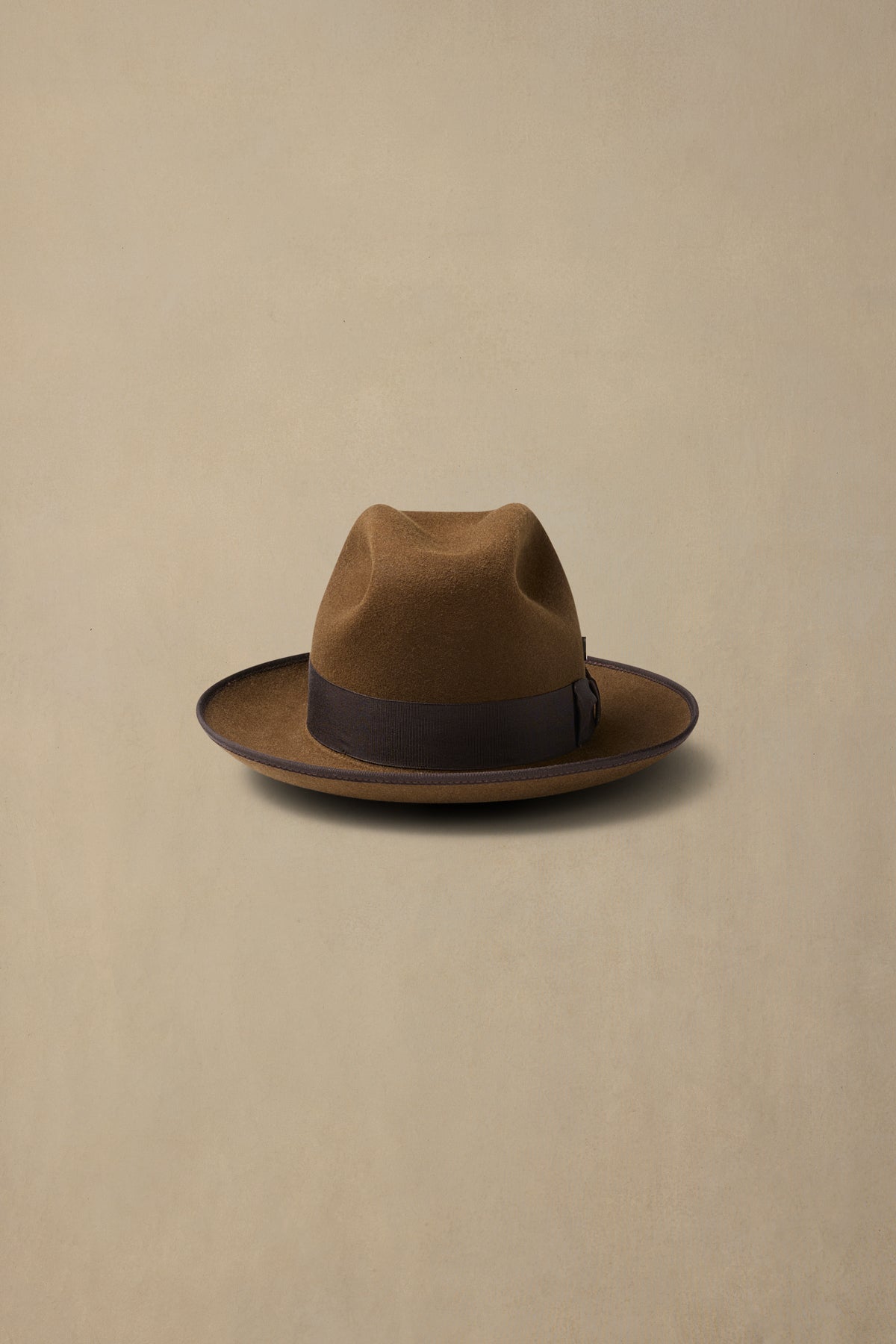
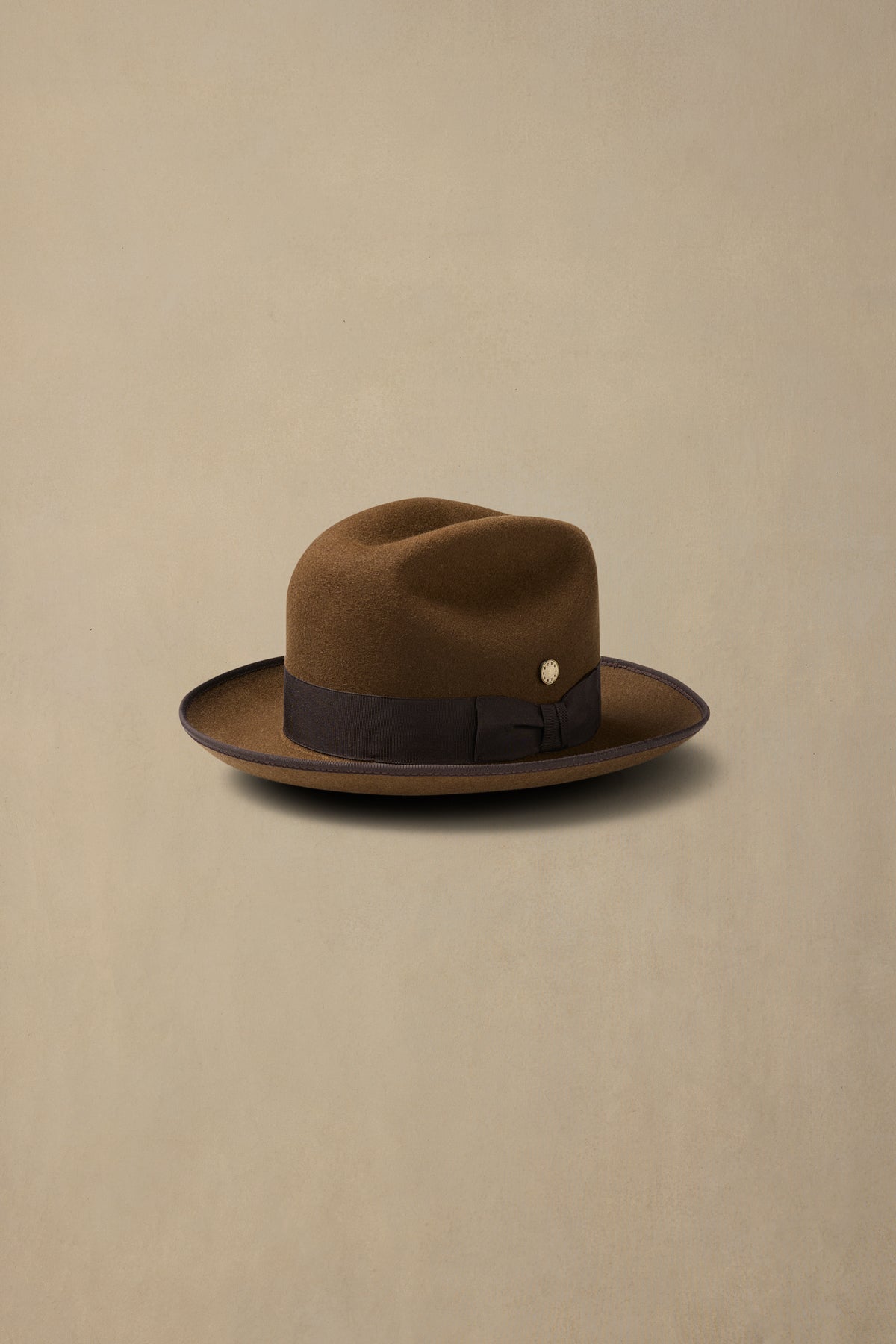
WHEN STYLING YOUR AKUBRA FEDORA NO.1, WHAT DETAILS DO YOU PAY ATTENTION TO MOST - FROM TAILORING & COLOUR, TO ACCESSORIES & FOOTWEAR?
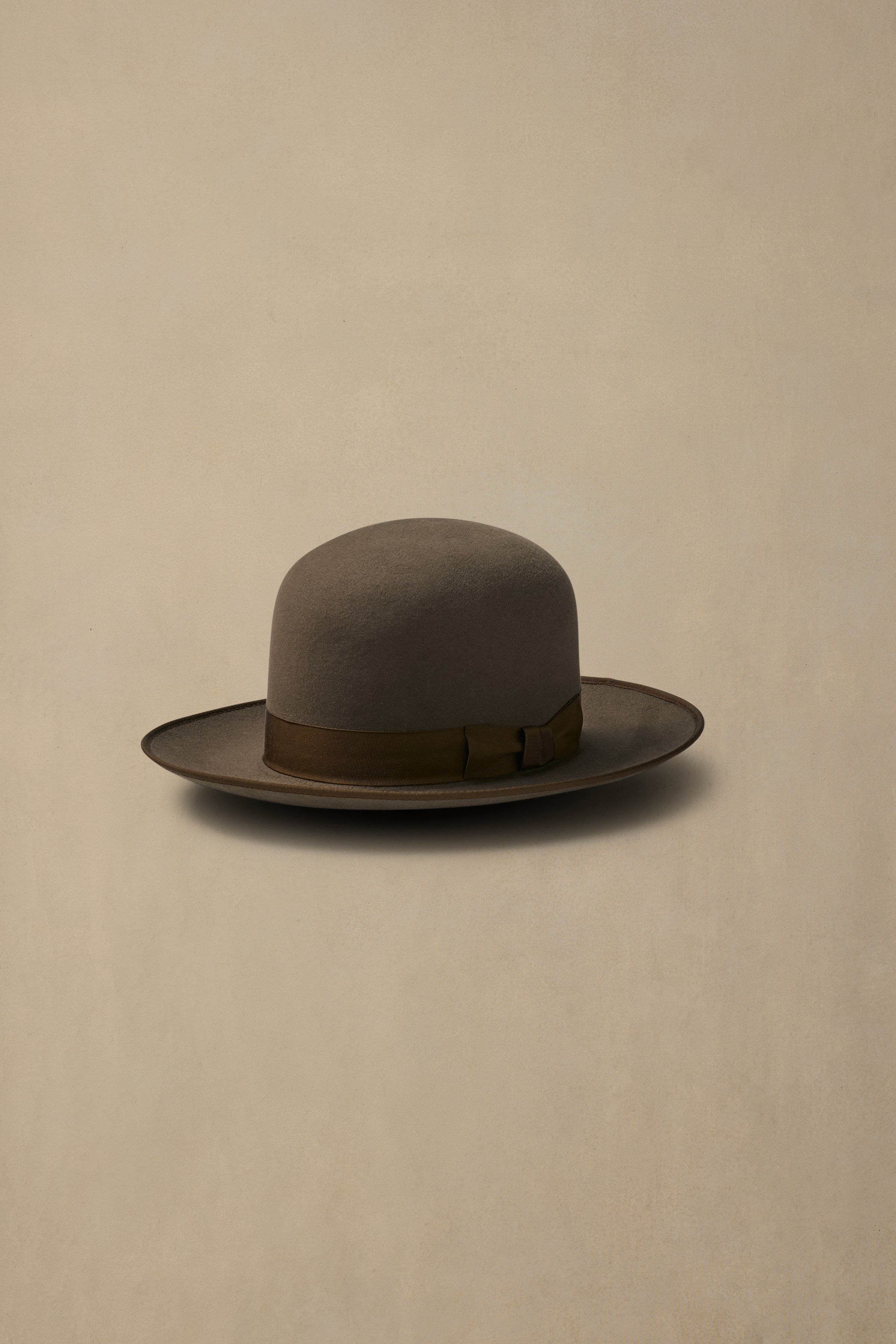
Colour is very important. I have some simple rules. For example, when I wear brown, I normally like to keep everything brown - hat, belt, watch strap and shoes.
When I wear blue, which is another favourite colour in suiting, I like to incorporate black and grey. So that might mean a grey hat, black belt and black shoes. It's very simple, but I like to keep it that way. You can always add different colours with a tie or pocket square if you wish.
Building Personal Style That Lasts
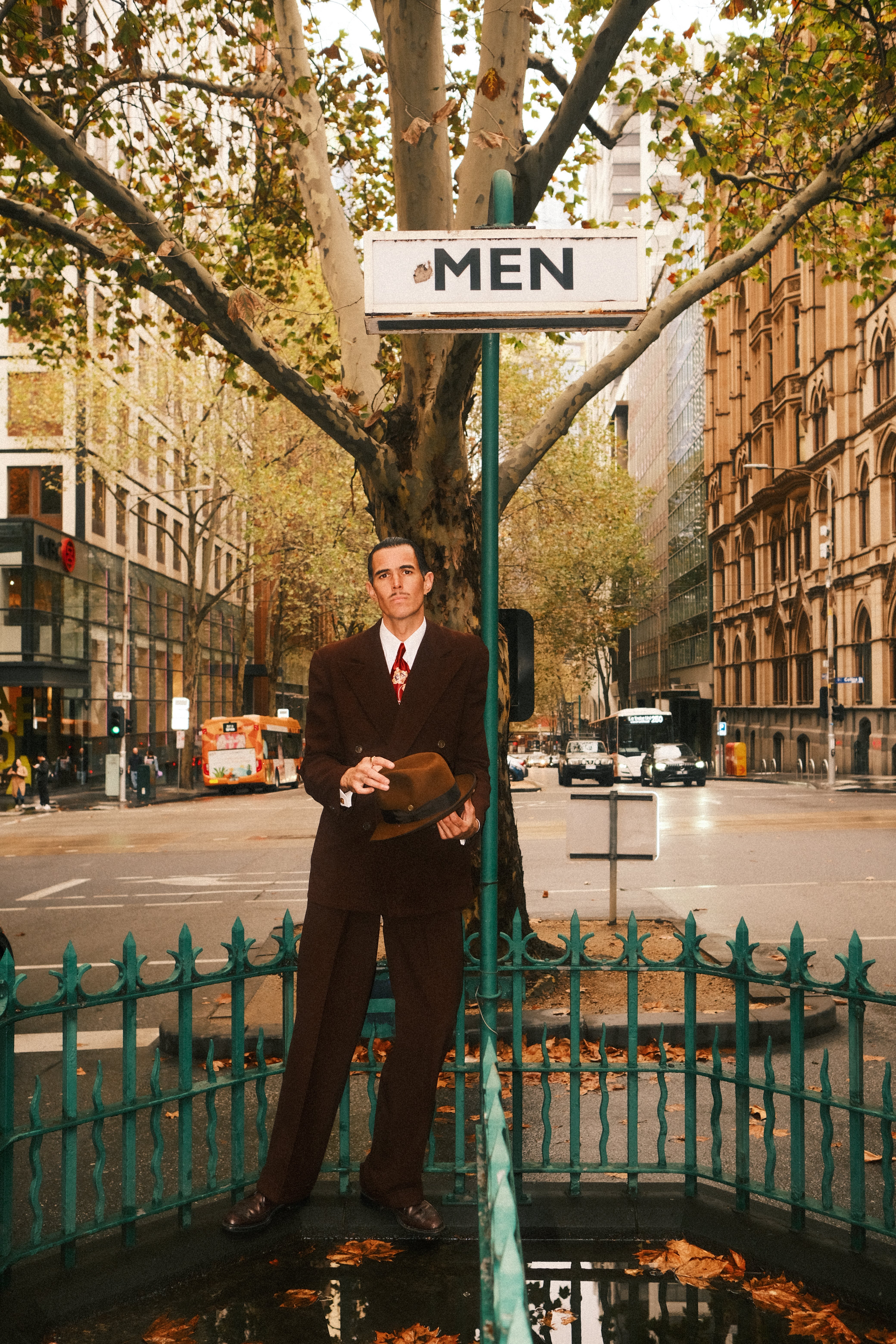
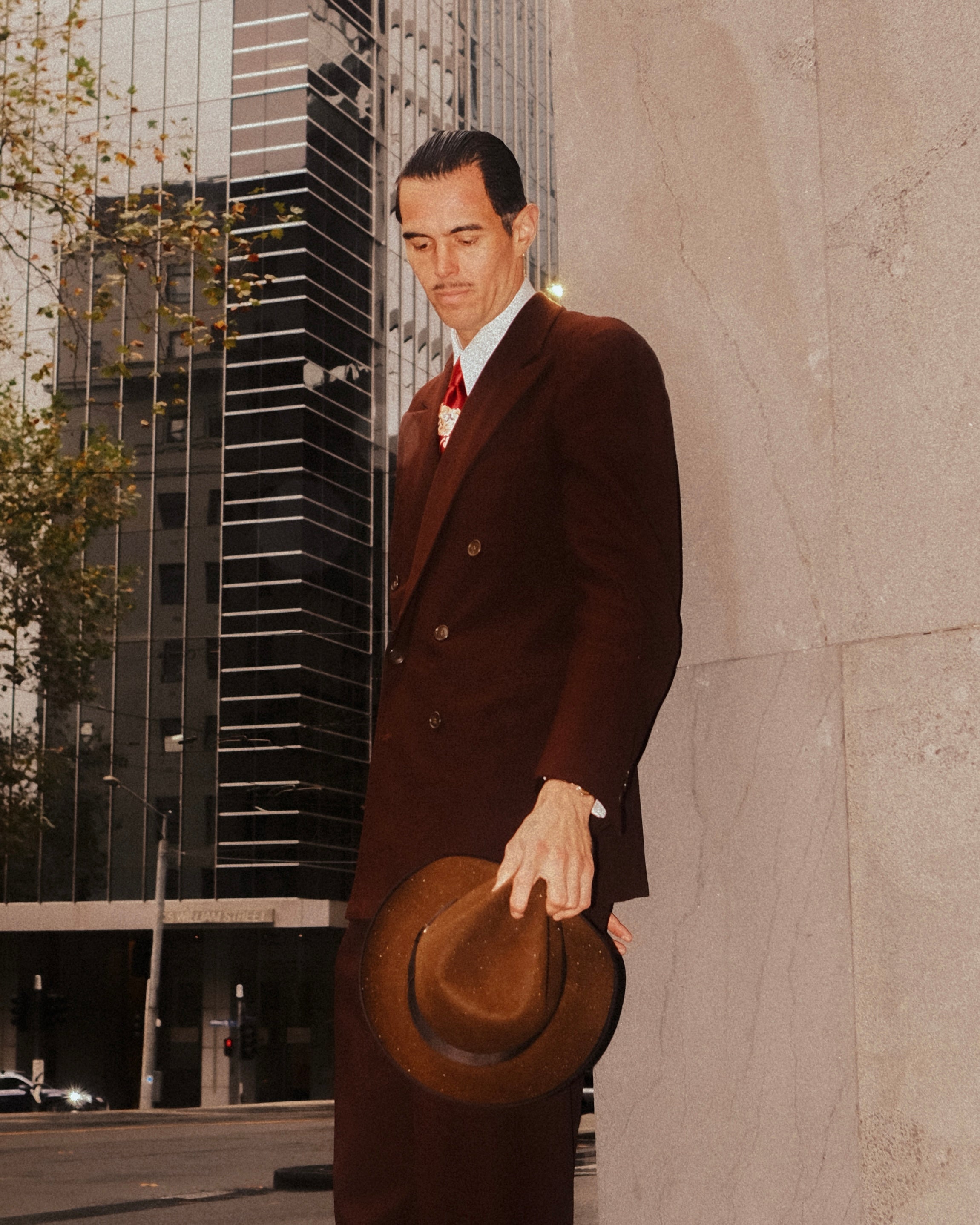
Classic men's fashion and heritage-inspired clothing are experiencing a clear resurgence, with younger generations increasingly drawn to timeless tailoring, quality craftsmanship and more expressive personal style. From the structured silhouettes of 1940s suiting to the enduring appeal of vintage accessories, there is a growing appreciation for clothing that prioritises character and longevity over fast-moving trends.
At the centre of this revival, the Fedora remains one of the most accessible and iconic entry points into classic hat styling, making it a natural first step for those looking to build a more considered wardrobe. We asked Dirk for his advice on embracing your own vintage style, understanding the resurgence, and choosing your first Fedora with confidence.
WHY DO YOU THINK CLASSIC MEN'S FASHION AND HERITAGE-INSPIRED CLOTHING ARE EXPERIENCING A RESURGENCE WITH YOUNGER GENERATIONS?
I think there are a few reasons. One is that clothing from those eras is very different from what we've seen for the last 20 or so years—everything has been very minimalistic.
Another reason is that the quality of clothing back then, even up to the 1990s, was generally much better. I like to believe we live in a world that's turning back towards better-made clothing and goods in general.
FOR SOMEONE LOOKING TO INVEST IN THEIR FIRST FEDORA HAT, WHAT ADVICE WOULD YOU GIVE ON CHOOSING A STYLE AND WEARING IT WITH CONFIDENCE?
The Fedora is often the best first hat to start with. It suits a wide range of people and personal styles.
If you're going to invest, choose quality over cheap alternatives. A well-made hat will hold its shape and improve with wear, while a low-quality one will lose its structure quickly.
And if you're hesitant about wearing one because of what others might think, try this: stop wearing it the first time someone tells you it looks bad. Spoiler... you're probably going to be wearing it for a long time.
Stay Golden.