





Gifting has never been easier
Perfect if you're short on time or are unable to deliver your gift yourself. Enter your message and select when to send it.


BENEATH THE BRIM WITH
Peter Stutchbury
ICONIC AUSTRALIAN ARCHITECT
Few Australian architects have shaped the conversation around landscape, place and belonging quite like Peter Stutchbury. Known for designing homes and spaces that respond deeply to the Australian environment, Stutchbury’s work is guided by a belief that architecture should reveal the story of the land it sits upon.
As Akubra celebrates 150 years of craftsmanship and heritage, we spoke with Peter about endurance, legacy, radical thinking, and why some icons never truly disappear.
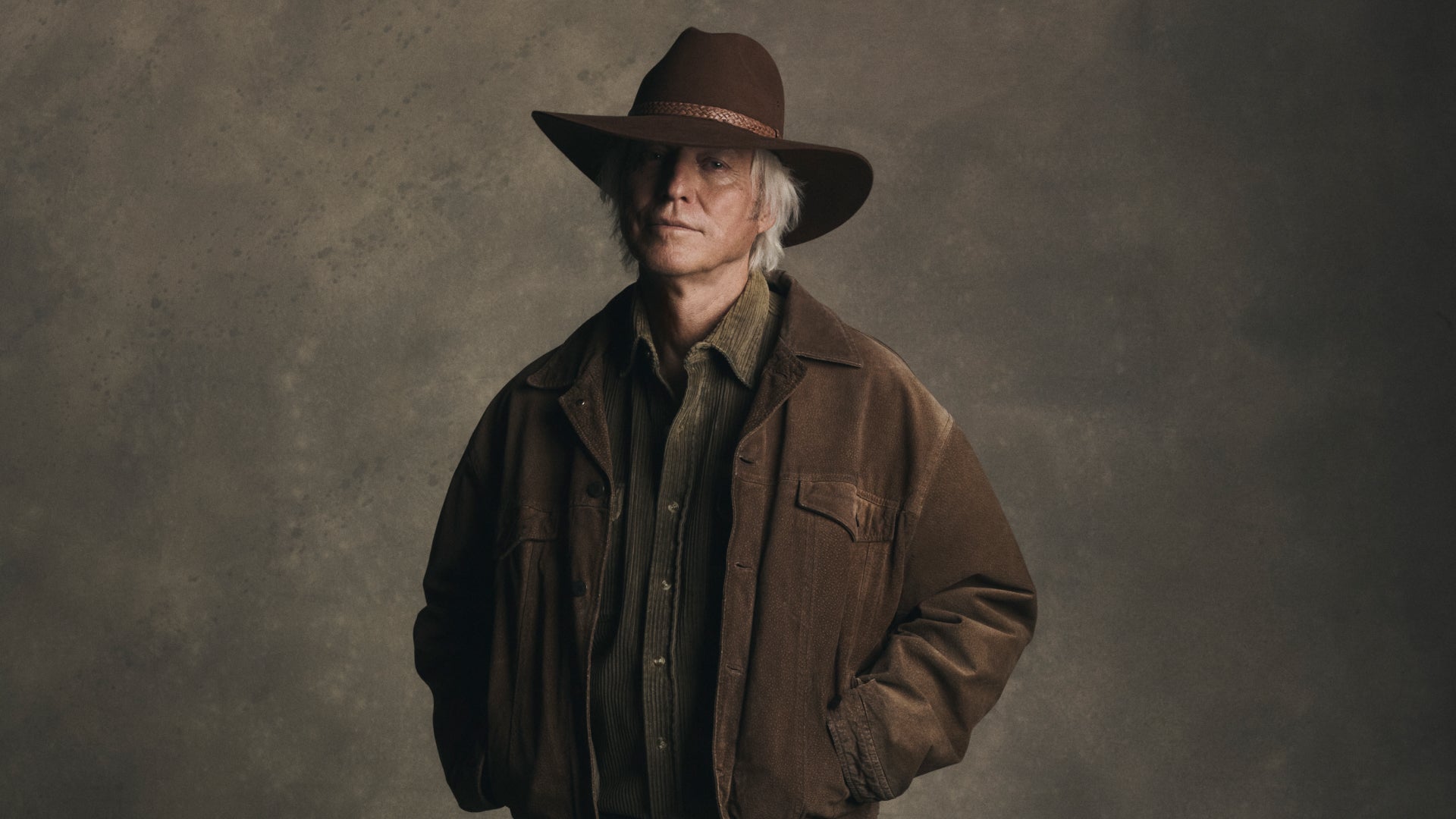
Architecture, Endurance & the Cultural Heart of Australia
For Peter Stutchbury, architecture is not simply about buildings. It is about connection - between people, landscape, history and purpose. When asked what legacy means to him today, his answer speaks directly to the values that have shaped his career:
“Preservation of the values that inform the word architecture. Giving further meaning to our understanding of beauty. Nurture the well-being of humans.”
It is a philosophy grounded in continuity. The preservation of ideas worth carrying forward, while remaining open to reinterpretation and change.
That same tension between tradition and innovation is central to Akubra’s own story. For 150 years, Akubra hats have remained part of Australia’s cultural fabric while continuing to evolve with the people who wear them.

Radical Thinking & Timeless Design
For Peter Stutchbury, architecture has always been shaped by radical thinking and a willingness to challenge conventional ideas about how Australians live within the landscape.
His work balances innovation with a deep respect for enduring design principles, reflecting a belief that truly timeless forms are never confined to a single era.
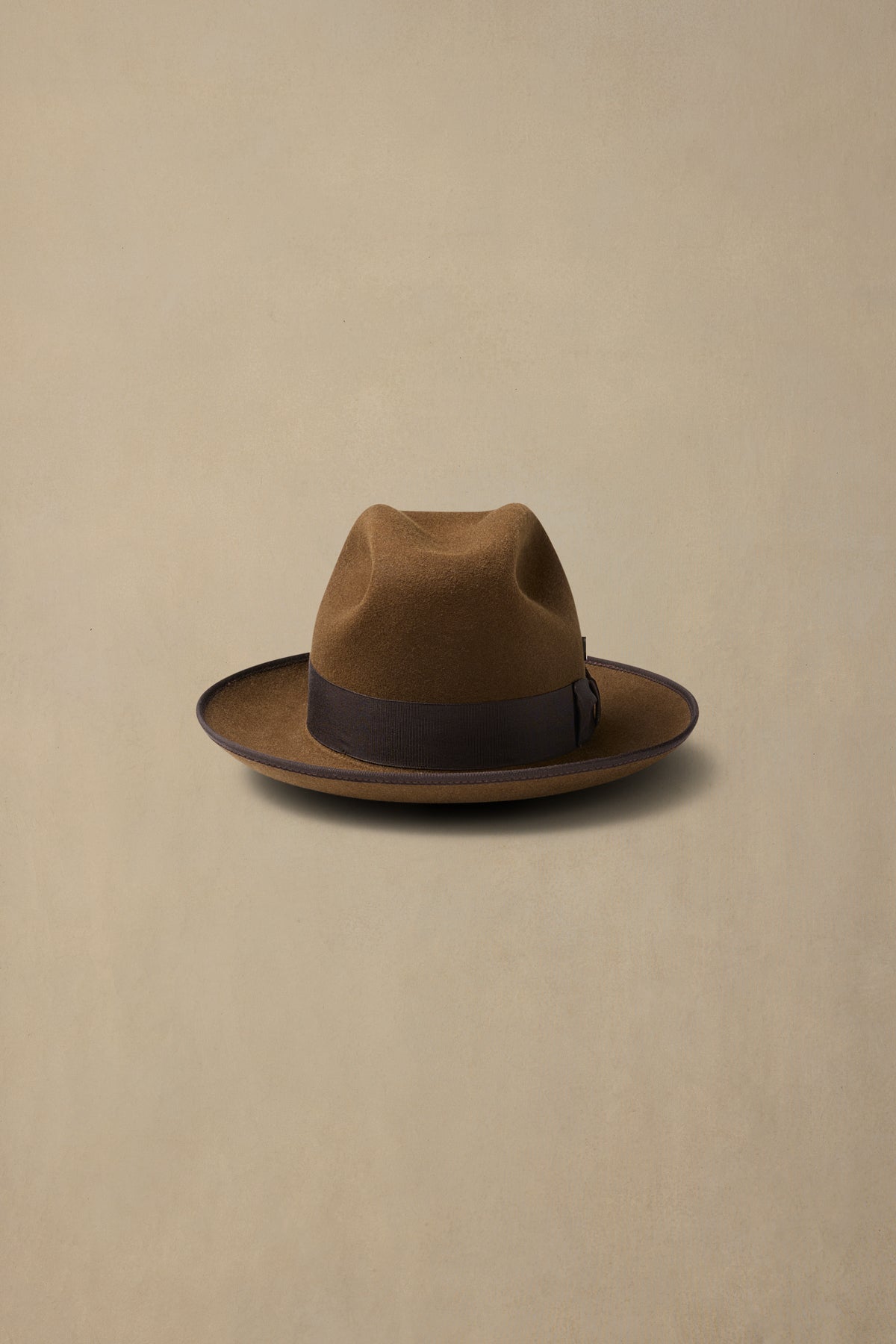
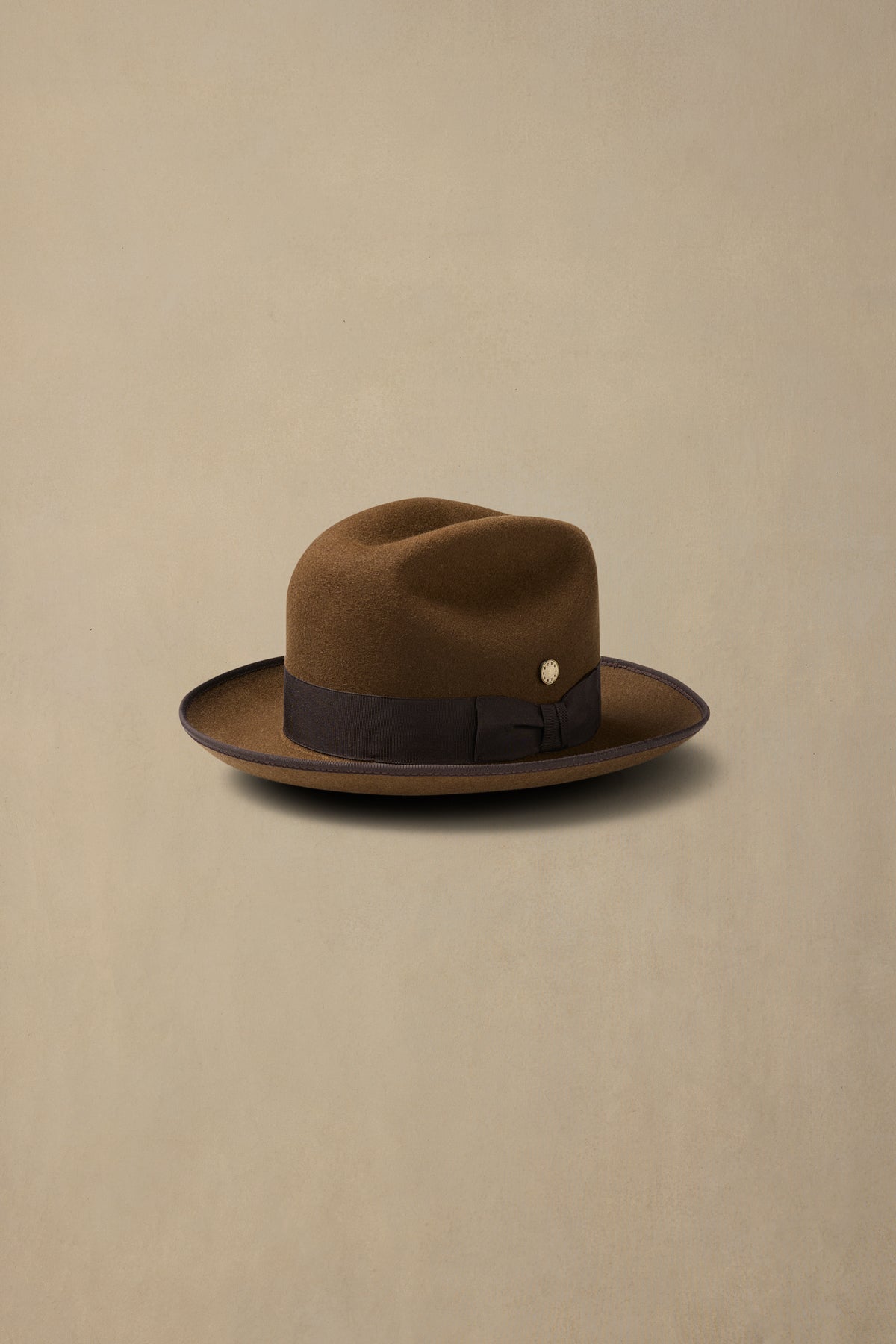
Wearing one of Akubra’s archival Fedora styles, Peter sees the silhouette in much the same way - not as a passing trend, but as a design that continually adapts, returns and remains relevant across generations. Like architecture itself, the Fedora endures because it carries both character and permanence, evolving with time while holding onto the values that first defined it.




Akubra's Australian Identity
Akubra has long been associated with resilience, endurance and the Australian spirit. For Peter, those ideas are inseparable from the relationship between people and land.
When asked what his most “peak Australia” moment feels like, he describes it as:
"The moment one feels 'at one' with the land."
That connection informs both his architecture and his understanding of Australia's cultural identity.
When asked about his own identity, and how he feels in an Akubra, Peter answers simply:
"An Akubra can complete an outfit."
But the connection runs deeper than appearance alone. For him, the hat changes with purpose and environment, and the distinction between wearing it along the coast or in the outback reflects his relationship to place:
“Narrow brim: coast. Broad brim: outback."
It is a practical understanding of Australia, shaped by movement through different landscapes and conditions.

Preserving What Matters
As Akubra marks 150 years, Peter Stutchbury believes the brand’s enduring strength lies in its relationship with all Australians, a connection that should remain unchanged. At the same time, he recognises the importance of evolution, particularly in reconsidering the singular use of one hat material as part of that ongoing journey.
This balance between preservation and adaptation is central to his architectural philosophy, where tradition is seen as reinforcement and innovation as the potential of the unknown.
For him, the past should never be replicated without question, but instead understood, examined and carried forward with intention. In this way, common sense becomes something responsive, adapting thoughtfully to the moments and contexts of time.
Endurance Across Generations
For Peter Stutchbury, the idea of what the next generation should protect extends beyond architecture into something fundamentally environmental and philosophical. At its core, it begins with preserving our natural environment - something he believes carries deep learnings for how we live, build and understand place.
That sense of endurance runs through his reflections and mirrors the qualities that have defined Akubra for generations: resilience, purpose and longevity. Built to move with the wearer over time, Akubra hats are designed not as static objects, but as companions that evolve through experience and environment.
When asked how he himself has evolved as a person, Peter answers with one word:
"Purposefully."
And when asked for a final word to describe Akubra?
"Belongs."
